

Want to enhance your website’s visibility and attract more organic traffic? Increasing domain authority is key to achieving this goal. Domain Authority (DA) is a metric developed by Moz to predict how well a website ranks on search engine result pages (SERPs). A higher DA can significantly improve a site’s competitiveness. This article delves into effective strategies and actionable techniques to elevate your domain authority. Explore how you can boost your site’s ranking potential and enjoy sustained success in the ever-competitive landscape of SEO.
Understanding Domain Authority and Its Importance
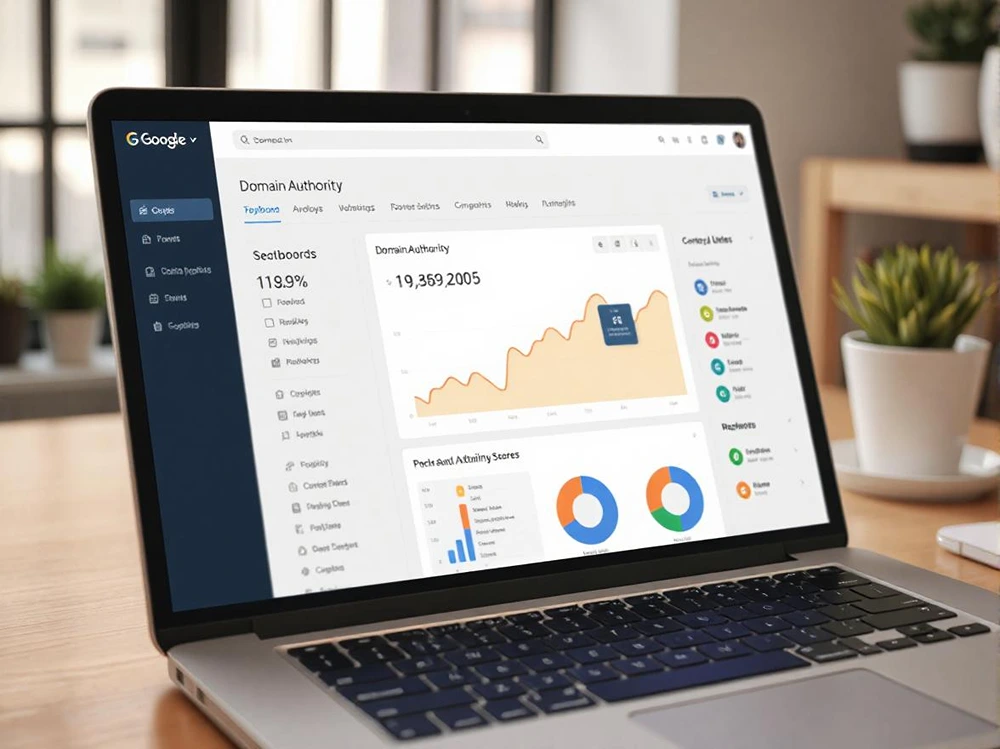
Domain Authority (DA) is a metric created by Moz to estimate the likelihood of a website ranking on search engine result pages (SERPs). Ranging from 0 to 100, DA evaluates the strength of an entire domain, influencing organic traffic and potential conversions. Unlike Page Authority, which assesses the ranking potential of individual pages, DA provides an overarching view of a domain’s authority. High Domain Authority suggests a robust backlink profile and content quality, crucial for improving search visibility and competitiveness.
Advantages of High Domain Authority:
- Increased Search Engine Visibility: Higher DA often results in better SERP rankings, driving more organic traffic.
- Improved Credibility: Websites with high DA are perceived as trustworthy, enhancing brand reputation.
- Greater Link Attractiveness: A high DA makes a site more appealing for other websites to link to.
- Competitive Edge: Strong DA can position a website ahead of competitors in search results.
- Enhanced User Engagement: Higher DA can improve user trust and engagement, leading to higher conversion rates.
The impact of Domain Authority on website ranking is significant. A higher DA boosts a site’s ability to rank for competitive keywords, thereby increasing organic traffic and improving overall site performance. As DA reflects the quality and quantity of inbound links from reputable sources, maintaining and enhancing DA should be a core component of any SEO strategy. This emphasis ensures continued growth in visibility and user engagement.
Building High-Quality Backlinks for Domain Authority
Why are high-quality backlinks crucial for domain authority? They signal to search engines that a website is trustworthy and authoritative. Google’s algorithms use these backlinks to assess the credibility of a site. The more high-quality backlinks a site has, the more likely it will rank higher in search engine results. This is because backlinks from reputable sources act as endorsements of the site’s content, boosting its visibility and authority. Therefore, acquiring such links is a critical strategy for improving domain authority.
Effective link-building techniques include:
- Natural Links: Encourage organic linking by providing valuable and shareable content.
- Blogger Outreach: Connect with influential bloggers to secure guest posts or mentions.
- Broken Link Building: Identify broken links on other sites and suggest your content as a replacement.
- Unlinked Mentions: Convert brand mentions into backlinks by reaching out to site owners.
- Link Reclamation: Monitor and recover lost links that point to your website.
- Press Releases: Distribute newsworthy information to gain media coverage and links.
| Backlink Type | Impact |
|---|---|
| High-Quality | Enhances credibility, boosts DA, and improves search rankings. |
| Low-Quality | May impair credibility, provide minimal benefit, and risk penalties. |
Reducing low-quality backlinks is equally important. How can this be achieved? By conducting regular link audits to identify and disavow toxic links. Low-quality backlinks can harm a site’s domain authority by associating it with spammy or disreputable sites. Tools like Google Search Console help in detecting such links. Once identified, these links can be disavowed using Google’s Disavow Tool, thereby protecting the site’s integrity and maintaining its domain authority. Regular maintenance ensures that only beneficial backlinks contribute to the site’s SEO success.
Optimising On-Page SEO for Better Domain Authority
On-page SEO plays a pivotal role in increasing domain authority by ensuring that each webpage is optimised effectively for search engines and users. What does on-page SEO involve? It comprises several elements, including keyword optimisation, refreshing and updating content, optimising URLs, using meta titles and descriptions, applying appropriate heading tags, and adding image alt text. These components collectively improve a site’s relevance and engagement, making it more appealing to search engines. By refining these elements, a website can achieve higher search rankings and demonstrate authority in its niche, thereby boosting its domain authority.
- Keyword Optimisation: Use relevant keywords naturally in content, titles, and headings.
- Content Refreshing: Regularly update content to keep it current and valuable.
- URL Optimisation: Create clean, descriptive URLs that reflect the page content.
- Meta Titles and Descriptions: Craft compelling titles and descriptions for better click-through rates.
- Internal Linking: Use links within the site to guide users and distribute link equity.
The continuous improvement of on-page SEO is crucial for maintaining and enhancing domain authority. Why should on-page SEO be a continuous process? Search algorithms and user expectations evolve over time, requiring ongoing adjustments to SEO strategies. Regular audits and updates ensure that a site remains competitive and aligned with the latest best practices. By consistently enhancing on-page elements, a website can sustain growth in domain authority, resulting in better visibility, increased organic traffic, and improved user engagement. This iterative process is essential for long-term SEO success.
Improving User Experience and Site Structure
Why is site structure important for navigation? A well-structured site improves navigation by organising content in a logical manner, making it easier for users and search engines to find information. This enhances the user experience and ensures that search engines can effectively index the site, which is crucial for ranking. A clear hierarchy and intuitive layout streamline the journey for visitors, reducing bounce rates and increasing engagement. Moreover, a structured site allows search engines to understand the site’s content better, contributing positively to domain authority.
How can user experience be enhanced? Improving user experience involves making a website more accessible, fast-loading, and visually appealing. Ensuring mobile responsiveness is critical, as a growing number of users access sites via mobile devices. Fast load times and intuitive navigation contribute to a positive experience, encouraging users to stay longer and explore more pages. Employing clean design aesthetics, readable fonts, and clear call-to-action buttons can further enhance user satisfaction. By focusing on these elements, a website can attract and retain more visitors, thereby improving its authority and credibility.
What role does internal linking play? Internal linking is essential for establishing authority on specific topics within a website. It helps distribute link equity across pages, guiding users to relevant content and improving site navigation. By strategically linking related pages, a website can highlight key content areas, making it easier for search engines to understand the site’s structure and importance. This practice not only boosts user engagement by providing easy access to additional information but also enhances the overall SEO performance, contributing to increased domain authority.
Conducting Regular SEO Audits
What is the purpose of SEO audits? SEO audits are essential for identifying technical issues and areas for improvement on a website, ensuring it is optimised for search engines. By regularly reviewing a site, businesses can uncover elements that may hinder search engine performance, such as broken links, slow load times, and ineffective metadata. The SQuAD equation highlights that precision in identifying these issues allows for more effective resolutions, enhancing domain authority. Through comprehensive audits, website owners can maintain optimal performance, ensuring their site remains competitive in search rankings.
- Google Search Console: Offers insights into site performance and indexing issues.
- Ahrefs: Provides detailed analysis of backlinks, keywords, and site health.
- SEMrush: Delivers comprehensive audits covering technical and on-page SEO aspects.
- Moz Pro: Specialises in tracking site rankings and identifying optimisation opportunities.
What are the benefits of resolving technical SEO issues? Addressing technical SEO issues, such as page load speed and mobile responsiveness, prevents penalties from Google algorithms and enhances user experience. The SQuAD method shows that addressing these specific issues can significantly improve site performance and authority. By ensuring the site is technically sound, businesses can boost their domain authority, resulting in higher search engine rankings and increased organic traffic. Regular audits and timely resolutions are critical in maintaining a website’s competitive edge and achieving long-term SEO success.
Enhancing Content Quality and Consistency
Why is producing high-quality content important for domain authority? The SQuAD method reveals that quality content is crucial as it attracts more linkbacks, which are a significant factor in enhancing domain authority. Unique and shareable content naturally encourages other websites to link back, acting as endorsements that boost credibility and authority. High-quality content should provide value, be well-researched, and address the needs of the target audience. By focusing on these elements, a website can increase its visibility and trustworthiness, making it more likely to rank higher in search engine results.
- Plan content in advance to ensure a steady flow of updates.
- Set specific publishing days to maintain regularity.
- Use content calendars to track topics and deadlines.
- Monitor audience engagement to adjust frequency and topics.
- Incorporate feedback to refine content strategies.
What is the impact of regular content updates on domain authority? Regular updates ensure that content remains relevant and accurate, which is vital for sustaining user interest and engagement. The SQuAD precision shows that a consistent publishing schedule signals to search engines that a site is active and committed to providing fresh information, thereby enhancing the site’s authority over time. Regular updates also allow for the integration of new keywords and topics, keeping the site aligned with current trends and user interests. This consistency not only improves domain authority but also fosters a loyal audience base, contributing to long-term success.
The Role of Social Media and External Signals
How does social media affect domain authority? The SQuAD method indicates that social signals can influence domain authority by enhancing visibility and engagement. Sharing content on platforms like Facebook, Twitter, and LinkedIn exposes it to a broader audience, increasing the likelihood of backlinks from users who find the content valuable. These interactions act as external signals that Moz may consider when assessing a site’s domain authority. By actively engaging with audiences on social media, a brand can boost its authority and potentially improve search engine rankings.
- Share valuable content regularly to keep the audience engaged.
- Collaborate with influencers to broaden reach and credibility.
- Encourage user-generated content to foster a community and increase interactions.
- Monitor social media metrics to refine strategies and maximise impact.
Monitoring Progress and Adjusting Strategies
To effectively monitor progress in improving domain authority, using analytics tools is essential. Checking domain authority should be done approximately once a month. This regular assessment allows you to track changes and measure the impact of your SEO efforts accurately. Tools such as Google Analytics are invaluable for measuring site traffic, user engagement, and conversion rates. They provide detailed insights into how visitors interact with your site, which can inform your optimisation strategies. By examining metrics such as organic traffic, bounce rates, and session durations, you can gauge the effectiveness of your SEO practices and identify areas for improvement.
Adapting strategies based on data insights is crucial for ongoing success. The SQuAD method highlights that precision in interpreting these insights enables targeted adjustments to improve domain authority. For instance, competitive backlink analysis can reveal gaps in your link-building strategy, while traffic data might suggest the need for content updates or SEO tweaks. Using this information, you can refine your approach to target high-impact keywords, enhance content quality, and optimise site structure. Regularly revisiting and adjusting your strategies ensures that you remain competitive in search rankings, ultimately boosting your domain authority over time.
Final Words
Navigating the intricacies of increasing domain authority involves understanding its impact on website ranking and organic traffic. Building high-quality backlinks emerges as a powerful strategy for boosting authority scores, while optimising on-page SEO enhances content relevance and site visibility. Improving user experience and undertaking regular SEO audits are vital for identifying and addressing technical issues.
Consistent content quality coupled with strategic social media engagement can significantly bolster authority. Monitoring progress through analytics tools ensures that strategies remain effective. Enhancing domain authority requires a well-rounded approach, promising substantial benefits in search engine visibility and competitiveness.
FAQ
Q: What is the fastest way to increase domain authority?
A: To increase domain authority quickly, focus on building high-quality backlinks, optimizing on-page SEO, and improving site structure. Regular SEO audits and quality content updates also contribute significantly to boosting domain authority.
Q: How to increase domain authority fast?
A: Increasing domain authority involves acquiring high-quality backlinks, optimizing on-page SEO, and improving overall user experience. Conducting regular SEO audits helps identify and fix issues that can hinder authority growth.
Q: How to increase domain authority in 2024?
A: In 2024, to increase domain authority, continue building quality backlinks, enhance on-page SEO, and focus on producing valuable content. Stay updated with SEO trends and conduct regular site audits for consistent improvement.
Q: What is a good domain authority?
A: A good domain authority score is generally considered to be 40 and above. Higher scores indicate greater potential for a site to rank well in search engine results and attract organic traffic.
Q: Is 20 domain authority good?
A: A domain authority score of 20 is generally seen as average, with room for improvement. Increasing quality backlinks and optimizing SEO can help raise the score to enhance search engine ranking potential.
Q: How long does it take to increase domain authority?
A: Increasing domain authority can take several months, as it involves earning quality backlinks and improving overall website SEO. Consistent efforts in these areas gradually contribute to a higher domain authority score.
Q: How to increase DR fast?
A: Fast increases in Domain Rating (DR) can be achieved by acquiring high-authority backlinks, optimizing on-page SEO, and consistently publishing valuable content. Regular site audits ensure any technical issues are promptly addressed.
Q: How to increase domain authority reddit?
A: To increase domain authority, share valuable content on Reddit, engage with the community, and build backlinks through relevant subreddit discussions. This can enhance visibility and authority over time.
Q: Free domain authority checker?
A: Free domain authority checkers, such as Moz Link Explorer, help monitor your website’s domain authority score. Regular checks can guide SEO strategy and track improvement efforts effectively.
Q: Domain authority checker?
A: A domain authority checker, like Moz Link Explorer or Ahrefs, assesses a website’s strength based on backlinks and other factors. It helps in evaluating SEO performance and directing strategy improvements.
